
Are We Testing Too Late? The Hidden Cost of Delayed Diagnosis
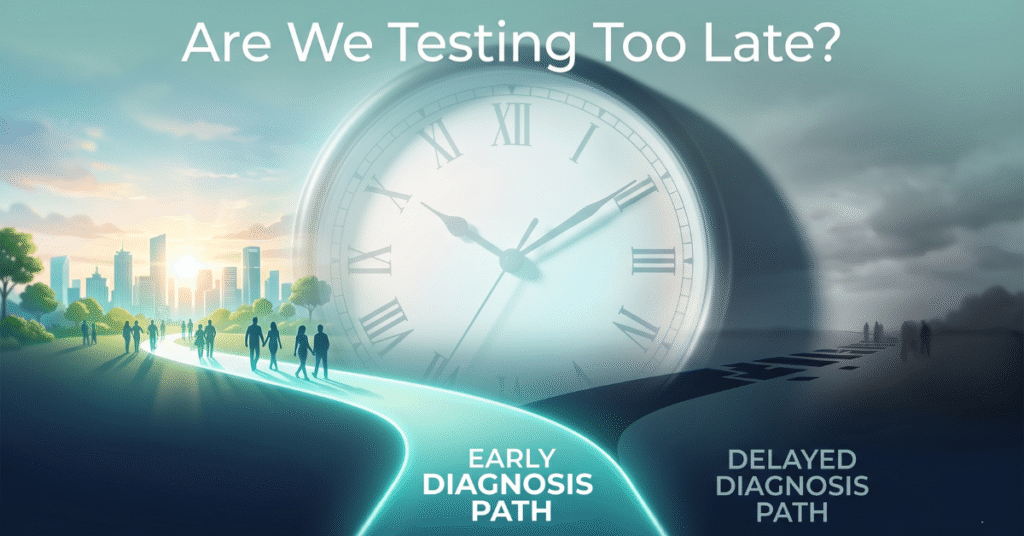
Are We Testing Too Late? The Hidden Cost of Delayed Diagnosis Recent Posts Are We Testing Too Late? The Hidden Cost of Delayed Diagnosis Future of Point-of-Care Testing in India Preventive Health Screening: Why Early Testing Matters do you need our help? we always give the best for you 011-45661377 for more info Introduction In healthcare, timing can make all the difference. While medical science has made significant progress in disease detection and treatment, there’s one challenge that kind of keeps showing up, affecting millions of people worldwide: delayed diagnosis. And a lot of medical conditions, from infectious diseases to chronic illnesses, are often only identified after the symptoms get strong enough to finally demand medical attention. The consequences of delayed diagnosis don’t just stay with one person. They spread out to families, healthcare systems, workplaces, and even entire communities. Increased treatment costs, longer recovery windows, preventable complications, and higher disease transmission rates are some of the hidden costs that come with late testing, and it’s not always obvious right away. As healthcare keeps moving toward prevention and early intervention, the question becomes more and more urgent: Are we testing too late? Understanding Delayed Diagnosis Delayed diagnosis happens when a disease or medical condition is identified well after it could have been detected. In many situations, people ignore early symptoms, or they don’t have stable access to testing facilities, or they just don’t take routine health screening seriously enough. For some illnesses, they can stay silent for weeks, months, or even years before anything noticeable happens. Conditions like hepatitis, HIV, cardiovascular disorders, diabetes, and a range of infectious diseases often advance quietly during the early phase. By the time symptoms show up, treatment can become more complex and also more costly. This is where timely early disease detection becomes a critical part of modern healthcare. The Financial Cost of Waiting Too Long One of the most overlooked outcomes of delayed diagnosis is the economic load it brings along with it, yes. When diseases are caught early, care is usually more straightforward, less invasive, and generally more affordable. Still, if diagnosis is postponed, patients can end up needing big medical procedures, longer hospital stays, focused therapies, and ongoing follow-up, sometimes for a long time. For healthcare providers and hospitals, managing late-stage illness can raise how many resources used quite a lot. And for patients and their families, the financial pressure can get hard to bear, fast. Preventive healthcare is not only a clinical plan, but it is also a cost-reducing approach that supports both individuals and healthcare systems. Why Early Testing Matters More Than Ever Today, healthcare is moving from reactive treatment toward prevention-first thinking. Instead of waiting for symptoms to grow worse, clinicians are pushing people to schedule routine screening and diagnostic checks. Early testing can deliver multiple practical benefits, like: Quicker clinical decision-making Better treatment results Fewer disease complications Improved patient observation Reduced overall healthcare spending Less risk of disease spread Advanced diagnostic solutions can also make it possible to spot many conditions in minutes or a few hours, not days. That timing helps healthcare teams step in right away when action is needed, without dragging things out. The Role of Rapid Diagnostic Technologies Diagnostic innovation has kind of transformed the way healthcare professionals detect diseases, not in a small way but gradually, step by step. Modern Rapid Test Kits now feel like essential tools for quick and dependable screening across hospitals, laboratories, clinics and even community healthcare settings, you know. These testing solutions help providers spot possible health concerns fast, so there’s more chance for earlier action and less time wasted in diagnostic delays. Similarly, ELISA Kits still carry a big role in careful laboratory based disease detection and screening programs, because their reliability and precision help support better clinical choices and smoother patient care. As diagnostic technologies continue to move forward, healthcare systems are also becoming more ready to spot diseases before they can grow into serious health threats, and that matters. Delayed Diagnosis and Infectious Diseases Infectious diseases really bring out why timely testing is so important, probably more than almost any other challenge in healthcare. When infections are not detected, patients may spread diseases to others without even realising it, while their own health keeps worsening. A delayed diagnosis can end up fueling outbreaks, raising healthcare pressure, and causing avoidable complications. Modern Infectious Disease Testing allows healthcare professionals to find infections earlier, isolate the risk, and start treatment without waiting too long. This protects the individual patient, but it also backs public health efforts at the same time. Overall, the capacity to detect diseases quickly has become an essential part of disease control and prevention strategies across the world. How Point-of-Care Testing Is Reducing Delays Traditional diagnostic pathways typically roll through several stages, like collecting the sample, getting it transported, then the lab processing, and finally the reporting of results. It works, but at times these steps can add extra hours or even days, so treatment decisions end up being pushed back a bit. Point-of-Care Testing is helping bridge that gap by placing diagnostic testing nearer to patients, rather than waiting on a whole chain of referrals and lab work. Whether it is in rural clinics, emergency departments, outpatient centres, or broader community healthcare programs, point-of-care solutions make it possible to get diagnostic info more quickly. This sort of setup supports brisker decision-making and also makes healthcare access better, especially in places where lab capacity is limited, or just not there reliably. Building a Culture of Preventive Healthcare Healthcare professionals are increasingly aligning on the idea that prevention is often more effective than a cure. When routine screening, health awareness, and regular checkups happen, potential health concerns can be noticed earlier. That earlier recognition can matter a lot, because issues don’t have as much time to worsen. The growing adoption of Preventive Health Screening really signals a wider shift toward patient-centred care. People are starting to be more proactive about understanding their own health
Future of Point-of-Care Testing in India
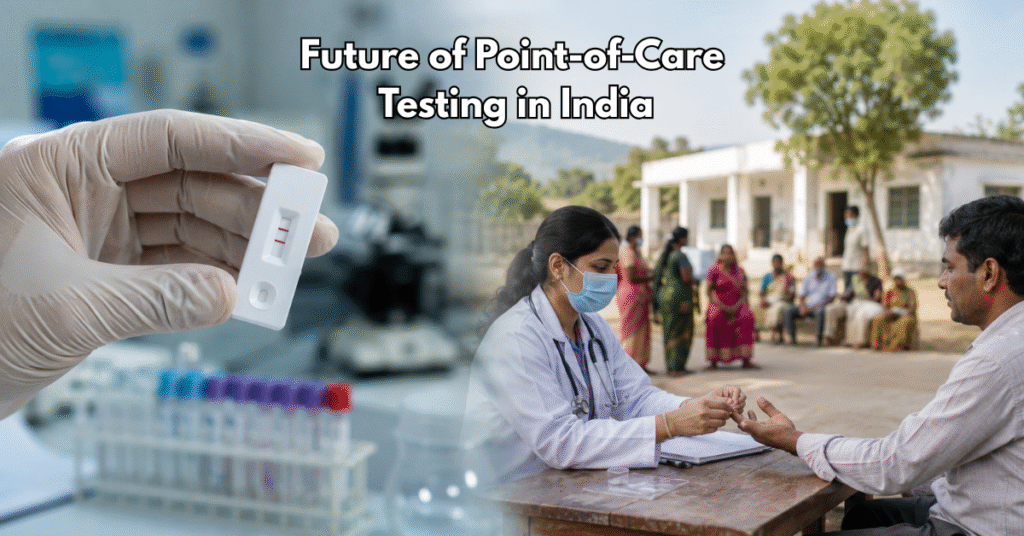
Future of Point-of-Care Testing in India Recent Posts Are We Testing Too Late? The Hidden Cost of Delayed Diagnosis Future of Point-of-Care Testing in India Preventive Health Screening: Why Early Testing Matters do you need our help? we always give the best for you 011-45661377 for more info Introduction The Indian diagnostic landscape is going through a massive kind of paradigm shift, and honestly it feels faster than before. Traditional centralized lab testing, which often needs 48 to 72-hour turnaround time, just isn’t enough when clinical decisions have to happen right now. These days, the demand of the hour is immediacy, precision, and decentralized accessibility. Whether it is an emergency clinic in a metro city or a primary healthcare center in some remote village, swift point-of-care testing, or POCT, is quickly turning into the backbone for early medical action. And as an industry-leading diagnostic manufacturer, Astam Diagnostics looks at three key pillars that are really shaping this change in healthcare, step by step. Managing Monsoon Fevers: How Do Rapid Test Kits Actually Catch Dengue, Malaria, and Chikungunya? When monsoon season arrives, healthcare facilities inevitably see a heavy influx of patients who show sudden, acute high fevers. The issue is that seasonal illnesses such as Dengue, Malaria, and Chikungunya often look almost similar at the beginning, clinically. So, trying to diagnose them only from symptom observation is, in practice, highly inaccurate. Then there is the waiting part. Waiting days for traditional blood cultures or PCR results during a high-volume seasonal surge can create dangerous, life-threatening delays. For example, severe Dengue really needs immediate monitoring of platelet counts, otherwise the risk of internal hemorrhaging becomes serious. Advanced Rapid Test Kits change that whole flow. With high-sensitivity lateral flow assays, today’s rapid kits can detect Dengue NS1 antigens or Malaria biomarkers in about 15 minutes, even on the very first day of fever symptoms. For labs, clinics, and B2B medical distributors, it becomes super important to stock up on high-specificity rapid diagnostic kits ahead of the rainy season. That single move is often the most critical step for effective seasonal outbreak management. The Indian Gut Health Epidemic: Why early screening for H. pylori and Typhoid is blowing up? While seasonal fevers grab the loud headlines in acute care, there’s this quiet, ongoing thing happening across urban India—chronic gastrointestinal trouble. It seems fueled by shifting food habits, rising mental strain, and water contamination, especially during climate transitions, so a huge number of people end up with ongoing stomach discomfort, acidity, and uncomfortable bloating. A lot of times, what should be taken seriously gets treated like “just lifestyle indigestion”. But the usual culprit is often a Helicobacter pylori (H. pylori) bacterial infection. If it’s not addressed, H. pylori can move into chronic peptic ulcers, and that can raise gastric cancer risks in a pretty major way. In a similar manner, contaminated water sources trigger predictable surges in Typhoid fever (Salmonella typhi). For years, confirming an H. pylori infection meant going through invasive endoscopies or complicated breath-based testing. Now though, very accurate rapid stool antigen and serum antibody test kits are available, so screening can be completely non-invasive, also more affordable. When clinics weave these rapid tests into routine checks, they can spot gut infections early, stop long-term damage before it becomes entrenched, and streamline patient management pathways right away. The Healthcare Tech Revolution: How are AI and medical device upgrades changing diagnostics? Demand for gut health and seasonal fever-related testing is rising, and it’s moving together with a fast technological shift in medical manufacturing. Diagnostics are basically stepping out of those faraway mega-labs and into… the patient’s bedside, more directly, more quickly. Key technological advancements shaping diagnostics include, sort of: AI-assisted interpretation, where smartphone-connected diagnostic readers use relatively simple AI algorithms to read the lateral flow test lines. This cuts down on human visual error and also gives more objective digital results, which people can trust more. Climate-resilient infrastructure is the other big one. New manufacturing techniques help diagnostic reagents hold up really well thermally, so these kits can tolerate harsh Indian swings, like intense summer heatwaves, and 95% monsoon humidity without losing activity or performance. Frequently Asked Questions Q: Can a rapid test kit differentiate between Dengue and Chikungunya?A: Yes. Even though the clinical symptoms overlap, separate high specificity rapid antigen and antibody test kits are designed around different viral biomarkers. That means clinicians can identify the difference accurately, within about 15 minutes. Q: Why is rapid testing preferred over endoscopy for initial H. pylori screening?A: Because rapid H. pylori antigen and antibody tests are non-invasive, generally very affordable, and they return results in minutes. So it becomes the practical first pass screening approach, before anyone considers invasive medical endoscopy. Q: What is point-of-care testing (POCT) and why is it important in India?A: Point-of-care testing allows healthcare providers to diagnose diseases near the patient and receive results within minutes, enabling faster treatment decisions. Q: How accurate are rapid diagnostic test kits for dengue and malaria?A: Modern rapid diagnostic kits use advanced antigen and antibody detection technologies and can provide highly accurate results within 15–20 minutes. Q: Can AI improve point-of-care diagnostics?A: Yes. AI-powered diagnostic readers reduce human interpretation errors, improve result consistency, and support digital healthcare workflows. Q: Why is early H. pylori screening important?A: Early detection of H. pylori helps prevent complications such as chronic ulcers and reduces the risk of gastric cancer. Conclusion Managing India’s fast-changing healthcare realities needs proactive, locally tuned, and highly accurate diagnostic tools. Whether it’s preparing for the seasonal monsoon surge or handling the upward trend in urban gut health disorders, the real effectiveness of the medical ecosystem depends on the sturdiness and quality of its testing infrastructure. At Astam Diagnostics, we support laboratories, hospitals, and medical distributors across the country. Our full lineup of cGMP-compliant, high-sensitivity Rapid Test Kits, ELISA kits, and advanced medical devices are engineered to produce precise data when every minute matters and patients can’t wait. Ensure your facility is fully equipped
Preventive Health Screening: Why Early Testing Matters
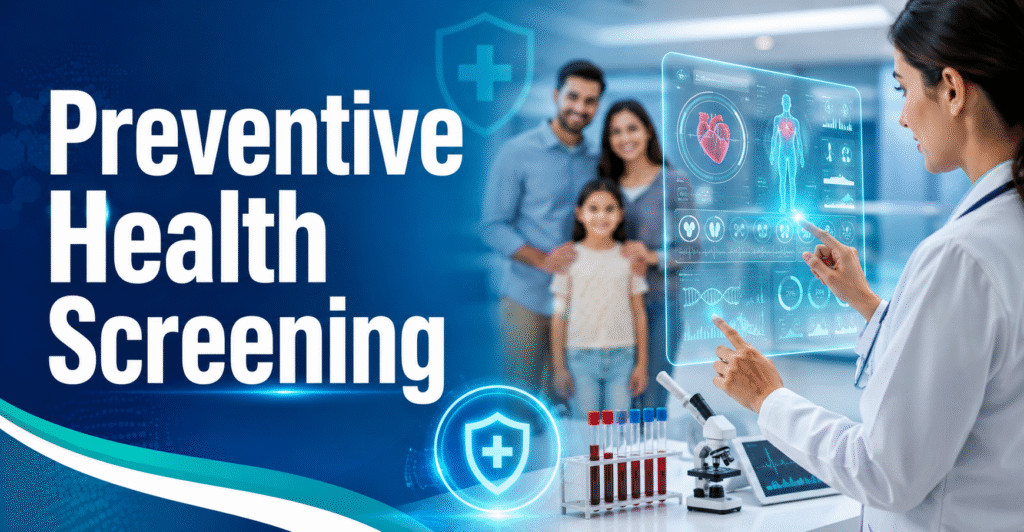
Preventive Health Screening: Why Early Testing Matters Recent Posts Preventive Health Screening: Why Early Testing Matters Smart Home Diagnostics kits: Future of Preventive Healthcare Why Smart Health Devices Are Trending in India This Summer do you need our help? we always give the best for you 011-45661377 for more info Introduction The healthcare industry is changing fast and it is focusing more on preventing diseases rather than treating them. Preventive health screening is like a checkup for patients. It helps find out if there are any health risks and if patients have any health conditions that have not shown up yet. This way patients can get help before things get worse. In India, more and more people are getting sick because of the way they live. They are getting diseases like diabetes heart problems, thyroid problems and liver diseases. So it is really important for people to get health checkups. If people get checked early they can find out if they have any diseases and get treated before it is too late. This way they can save money on treatments and take better care of their health. There are companies like Astam Diagnostics that work with healthcare providers to give patients diagnostic kits. These kits help find out if patients have any diseases on. What Is Preventive Health Screening and Why Does It Matter? Preventive health screening is when doctors do tests on patients even if they are not showing any signs of being sick. The goal is to find out if patients have any health risks or diseases early on. Some common tests that are done for health screening are: Blood glucose testing Lipid profile testing Thyroid function tests Liver function tests Kidney function tests Cardiac marker testing Infectious disease screening If healthcare providers do these tests regularly they can keep an eye on their patients health. Help them get better. Why Is Early Disease Detection Important for Better Health Outcomes? Finding diseases early is really important for patients to get better. If patients find out they have a disease early they can get treated faster. Their disease will be easier to control. They will also have to go to the hospital often and they will save money on healthcare. Many diseases do not show any signs at first. For example diabetes, high blood pressure and heart problems often do not show any signs until they have already caused problems.. If patients get checked early they can find out if they have any of these diseases and get treated before it is too late. The good things about finding diseases are: Patients can get. Treated faster Patients can control their diseases better Patients will have to go to the hospital often Patients will save money on healthcare Patients will be healthier and happier If healthcare providers can find diseases early they can help patients get better and give them the care they need. Which Diseases Can Preventive Health Screening Help Find? Preventive health screening can help find diseases before patients show any signs. Some of these diseases are: Diabetes Cardiovascular Diseases Thyroid Disorders Liver and Kidney Diseases Infectious Diseases Healthcare providers increasingly rely on infectious disease diagnostic kits to support early detection and improve patient management. How Are Diagnostic Kits Helping With Healthcare? Diagnostic kits are really important for healthcare. They help healthcare providers find diseases early and give patients the care they need. Diagnostic kits are accurate and fast. They help healthcare providers: Find diseases early Do tests efficiently Get test results faster Give patients care Make good decisions about patients health Because of diagnostic kits preventive healthcare is getting better and better. Healthcare providers can find diseases early. Help patients get the care they need. Why Is Preventive Health Screening Getting More Popular in India? Preventive health screening is getting more popular in India because more and more people are getting sick because of the way they live. People are starting to realize how important it is to find diseases and get treated before it is too late. Some reasons why preventive health screening is getting more popular are: More people are getting diabetes and heart problems People are becoming more aware of how important healthcare’s Companies are starting to care about their employees health People are starting to get checked regularly Healthcare is getting better and better There are advanced diagnostic technologies available As people keep focusing on preventive healthcare it will become more and more important for healthcare facilities. What Is the Future of Diagnostics? The future of diagnostics will be shaped by new technologies and better healthcare. Some new trends in this field are: Using intelligence to help with diagnostics Using point-of-care testing solutions Using home-based monitoring tools Using health analytics Using preventive medicine Because of these new trends preventive diagnostics will get faster and more efficient. Healthcare providers will be able to find diseases and give patients the care they need. Healthcare organizations are increasingly partnering with Astam Diagnostics to access innovative testing solutions that support the future of preventive healthcare. Frequently Asked Questions About Health Screening What is preventive health screening? Preventive health screening is when doctors do tests on patients even if they are not showing any signs of being sick. This helps find diseases and gives patients the care they need. Why is preventive health screening important? Preventive health screening is important because it helps find diseases early. If patients find out they have a disease early they can get treated before it is too late. This also helps patients save money on healthcare and get faster. Which tests are included in health screening? Some common tests that are included in health screening are blood glucose tests, lipid profile tests, thyroid function tests, liver and kidney function tests, cardiac screenings and infectious diseases screening. How often should people get checked? People should get checked regularly. How often depends on their age, health and lifestyle. Most adults should get checked at once a year. Does preventive health screening help save
Smart Home Diagnostics kits: Future of Preventive Healthcare
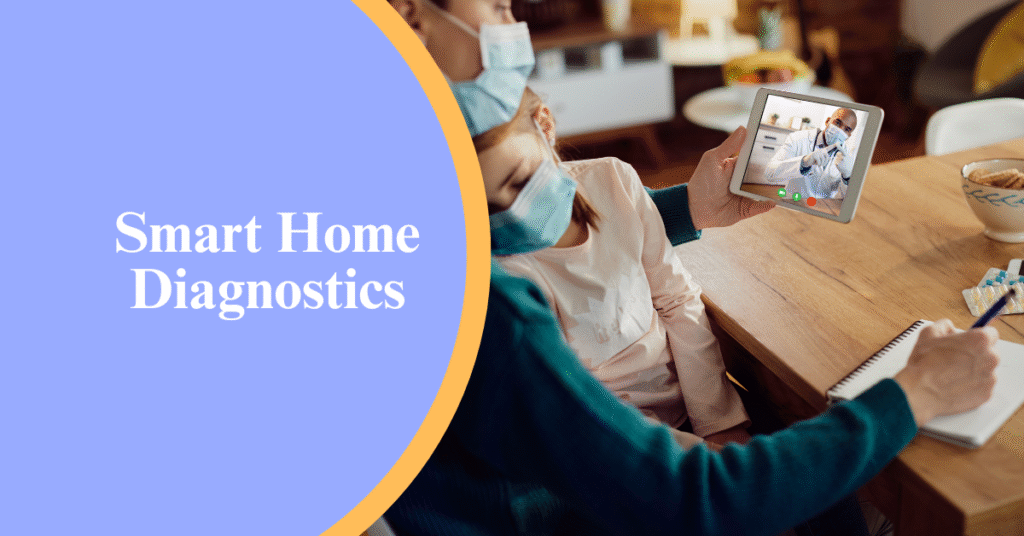
Smart Home Diagnostics Kits: Future of Preventive Healthcare Recent Posts Smart Home Diagnostics kits: Future of Preventive Healthcare Why Smart Health Devices Are Trending in India This Summer Delhi Heatwave Alert: Essential Diagnostic Kits for Labs do you need our help? we always give the best for you 011-45661377 for more info Introduction Healthcare is evolving pretty fast, and honestly, one of the biggest changes in recent years is how home-based diagnostics are becoming normal. People are more health-conscious lately, and they try to stay ahead with preventive care, so the demand keeps growing for healthcare solutions that are quick, practical, and also dependable. From tracking pregnancy and fertility to catching infections early, home diagnostic kits are changing the way individuals handle their wellbeing. This move toward smarter healthcare is doing more than just make things easier to access. It also helps reduce the pressure on hospitals and laboratories. And as people become more aware of preventive healthcare, many consumers are leaning toward options that let them do basic health screening right from home, without all the extra trips. For companies like Astam Diagnostics Pvt. Ltd., this pattern feels like a real chance to improve accessible healthcare by offering good quality rapid diagnostic kits and home-use medical products. Why Home Diagnostics Are Growing Rapidly The healthcare industry is seeing a noticeable shift away from traditional testing, and toward rapid, simpler at-home diagnostics. There are a few reasons pushing this growth, for example More awareness around preventive healthcare A stronger need for quick, convenient testing Telemedicine and remote care growing faster Affordable healthcare solutions becoming more important Rapid test technologies getting more reliable People don’t want to wait for lengthy laboratory procedures just for basic health checks. Home-use rapid test kits give results sooner, and that supports early detection, which can really improve how treatment works out later. This trend is especially visible in women’s healthcare, infectious disease screening, and routine preventive monitoring. The Role of Rapid Diagnostic Kits in Preventive Healthcare Preventive health care is all about catching health issues before they get really severe, you know, kind of early on. With early detection, people often get better treatment choices, reduced medical costs, and better overall outcomes for patients. Rapid diagnostic kits are getting more important, since they offer a bunch of practical benefits like Results that come back in minutes, not hours Testing procedures that feel simple Screening options that are priced accessibly Use in remote places where full labs aren’t easy to reach Less reliance on laboratory services Because of that, fast testing is becoming really effective for everyday health monitoring as well as spotting early disease stages sooner High-Demand Home Care Products A few home-use healthcare items are seeing very strong demand in 2026. This is largely tied to people being more aware and also preferring convenience based care Women’s Healthcare Products Women’s health continues to be one of the quickest expanding areas within home diagnostics. The self-test tools people commonly use include Pregnancy Test Kit Ovulation Test Kit Menopause Test Kit These tools help users track reproductive health in a private way, and do it conveniently, while also cutting down on unnecessary trips to clinics Infection Detection Products Home diagnostic growth isn’t only about women’s products. Infection detection, or infectious disease screening, is another category moving fast. When detection happens early, complications tend to drop, and it becomes easier to seek medical advice in time Some commonly requested rapid testing products are UTI Test Strips H. Pylori Rapid Test Kit Dengue Rapid Test Kit Malaria Rapid Test Kit HIV Rapid Test Kit You’ll see these used across clinics and healthcare facilities, and increasingly they’re also showing up for home healthcare routines Best Products for Direct Online Sales Certain healthcare products are sorta ideal for direct-to-consumer (D2C) sales, especially if you sell them via online stores, because they’re easy to handle and people keep buying them with steady demand. The best picks for online healthcare sales include things like: Pregnancy Test Kit Ovulation Test Kit Menopause Test Kit UTI Test Strips These are really good for e-commerce platforms because many consumers want privacy, faster dispatch, and really convenient access, without too much hassle. Also, having educational healthcare blogs near these products can help bring more organic traffic to the site, and make the items more visible overall. For example, posts such as “How to Use a Pregnancy Test Kit Correctly” or “Early Symptoms of UTI and Home Detection Methods” can pull in a healthcare-minded audience while still promoting the product in a natural way. AI and the Future of Smart Diagnostics Artificial intelligence is quickly becoming one of the most major improvements in modern diagnostics. AI-powered healthcare systems are supporting better diagnostic precision, lowering the chance of human error, and they can also fit nicely into remote care solutions. For home diagnostics, AI can come in handy for: Digital reading of rapid test outcomes Smartphone-based health tracking Preventive health monitoring Telemedicine connection Automated healthcare suggestions In the next few years, AI-enabled diagnostics are expected to make home care feel more personal and more efficient, too. Smart diagnostic setups that connect with mobile applications might soon become normal across preventive healthcare strategies. Importance of Quality and Regulatory Compliance As demand for home diagnostics rises, product quality and compliance still matter a lot for manufacturers. People and healthcare professionals really want diagnostic products that are accurate, dependable, and also safe to use, you know. Diagnostic manufacturers have to keep their eyes on several things like: ISO-certified manufacturing standards cGMP-compliant production processes product validation, and quality assurance safe packaging, plus proper storage conditions steady sensitivity and specificity standards Keeping strong quality systems in place actually helps create trust, and it also supports consistent product performance in real healthcare settings, day to day. Conclusion Home diagnostics are turning into a big part of modern preventive healthcare. Consumers increasingly look for healthcare solutions that are quick, convenient, budget-friendly, and easy to reach right from home. Products like Pregnancy Test Kits,
Why Smart Health Devices Are Trending in India This Summer

Why Smart Health Devices Are Trending in India This Summer Recent Posts Why Smart Health Devices Are Trending in India This Summer Delhi Heatwave Alert: Essential Diagnostic Kits for Labs Advanced 3rd Gen HIV 1 & 2 ELISA for Precise Screening do you need our help? we always give the best for you 011-45661377 for more info Introduction India’s summers are no longer just about mangoes, family vacations and that long afternoon nap under the fan, you know. In 2026, Indian summers are also turning into a pretty big health worry. With rising temperatures, heatwaves , dehydration, stress, and lifestyle-related problems piling up, families are starting to rethink what “healthcare at home” really means. Right now, Indian households are shifting toward smarter, more preventive healthcare solutions. From wearable health tech to simple home monitoring devices, people are getting more health-minded than ever before. Recent wellness trends also point to the fact that health monitoring devices, along with wearables, are among the fastest-growing wellness categories in India. That is exactly why everyday tools like thermometers and BP monitors are becoming kind of non-negotiable in most Indian homes. At Astam Diagnostics, families can now get trusted healthcare devices that support daily home monitoring and better summer safety. India’s Rising Heatwaves and Health Risks Heatwaves across India are getting stronger every year. Many experts now treat extreme heat as a serious public health issue, especially for children, older people, outdoor workers and working professionals who cannot slow down. During summer, the most common health problems include Fever and viral infections Dehydration and fatigue Heat exhaustion and dizziness Sudden blood pressure swings Weakness and low energy The tricky part is that a lot of people ignore the early warning signs until the situation becomes serious. So preventive healthcare plus home monitoring devices are gaining momentum, and in 2026, that trend is really strong. Why thermometers are still, sort of, one of the most essential health devices Even with smartwatches, AI health trackers, you know that whole wave of tech, thermometers still stay one of the most trusted health tools in Indian homes. For Children Kids today are outside more during the summer vacations, so they can pick up fever risks, dehydration, and other infections pretty easily. Parents are also being a bit more alert now, monitoring symptoms early rather than waiting until the situation really gets worse. A digital thermometer helps with quick and accurate temperature checks at home, so parents can decide faster without that extra panic, or whatever. For Elderly family members Senior citizens can get affected very quickly during heatwaves and sudden shifts in temperature. Fever, plus weakness, in the summer can turn risky if nobody is watching. So regular temperature tracking helps families protect their older loved ones in extreme weather. For Young adults Modern Indian life is… a lot, honestly. Long office hours, tight timelines, gym routines, and daily commuting in harsh heat. Because of that, many young adults are leaning more into preventive health care and self-checks compared to earlier generations. Reliable digital thermometers from Astam Diagnostics Shop make home healthcare simpler, quicker, and more dependable. BP monitors are no longer just for senior citizens One of the biggest health trends in India right now is the growing focus on blood pressure and heart wellbeing. Earlier, BP monitors were mostly linked with elderly people but now, even younger adults are checking their blood pressure on a regular basis. Why BP Issues Go Up During Summer In summer, people can sweat a lot, and that can mess with blood pressure levels, especially if hydration is not steady. Some folks end up with low Blood Pressure, simply because of fluid loss. But others may see high BP too, because heat stress and even anxiety can push it up, you know, kinda at the same time. That is why monitoring BP becomes super important during Indian summers, like really important. Stress And Lifestyle Are Changing Healthcare Habits By 2026, India is expected to see a noticeable increase in stress-related health concerns. Fitness experts, wellness reports, and everyday conversations all point to the same thing: younger professionals are starting to use health monitoring devices more often. They check heart rate, sleep quality, stress levels, and yes, blood pressure too. People do not want to wait until something turns into a health emergency. They want real-time clarity and early alerts, not later regret. So home BP monitors are being treated as a practical, smart buy for modern Indian families. At Astam Diagnostics, customers can find easy-to-use BP monitors that fit daily routines, as well as long-term health management. Smart Healthcare Is the New Indian Lifestyle Trend One of the biggest wellness shifts in 2026 is preventive healthcare. Instead of reacting after illness begins, people are now trying to track their health routinely. The goal is to avoid major trouble before it starts. These health devices are quietly becoming part of everyday life in India because they: Spot potential problems early Cut down on unnecessary hospital visits Give peace of mind, even on busy days Boost family awareness about health Support elderly care at home, with less worry Also wearable tech plus AI-driven health monitoring is getting mainstream in India. Many experts believe future healthcare will lean hard on continuous tracking and customized wellness plans. Still, even with all the smart hype, basic tools like thermometers and BP monitors keep being the real foundation in most home healthcare setups. The Emotional Side Of Indian Family Care In Indian families, health is never just… clinical, you know, it always has that emotional weight to it. Like a mother checking her child’s fever at midnight, a daughter watching her father’s BP, or grandparents telling everyone again and again to stay hydrated. Those little moments are kind of the everyday stuff that shapes family life here. And healthcare devices, honestly, don’t feel like “only hospital equipment” anymore. They have become symbols of care, responsibility, and real protection. You can almost feel the comfort when something is
Delhi Heatwave Alert: Essential Diagnostic Kits for Labs
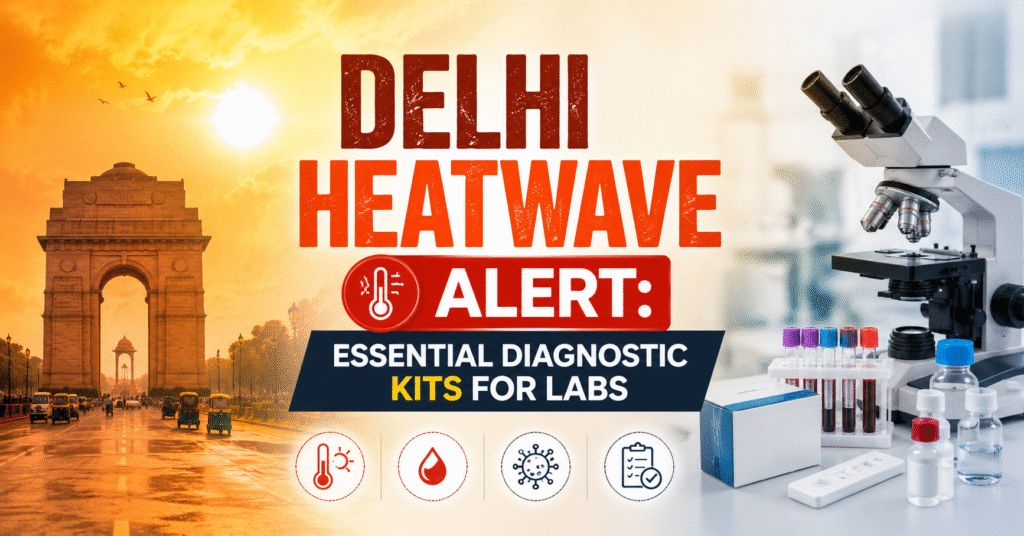
Delhi Heatwave Alert: Essential Diagnostic Kits for Labs Recent Posts Delhi Heatwave Alert: Essential Diagnostic Kits for Labs Advanced 3rd Gen HIV 1 & 2 ELISA for Precise Screening Summer Health Risks You’re Ignoring & How to Fix Them do you need our help? we always give the best for you 011-45661377 for more info Introduction The India Meteorological Department (IMD) has issued a serious warning for residents across Delhi-NCR as temperatures are expected to rise sharply in the coming days. The region is currently experiencing hot weather after passing through a brief period of western disturbances and isolated thunderstorms. The experts expect temperatures to rise between 42°C and 45°C which will create extreme environmental conditions and health problems for the millions of people who reside in Delhi, Noida, Gurugram and Faridabad. Extreme temperatures present both hydration difficulties and body strain which most people connect with heatwaves. The sudden influx of patients with heat-related illnesses, cardiovascular complications, infectious diseases and dehydration occurs in hospitals, diagnostic laboratories and emergency care units. The medical teams require immediate access to reliable diagnostic tools during these situations because they need to make fast and precise diagnoses for both life-saving and complication-prevention purposes. Healthcare organizations need to prepare their diagnostic equipment completely for the upcoming seasonal patient increase which they need to handle efficiently. The reliable diagnostic manufacturer Astam Diagnostics provides high-quality rapid test kits and ELISA panels which enable emergency medical teams to make faster clinical decisions. The Rising Health Danger Posed by Heatwaves Heatwaves exist as more than simple high-temperature times. The human body experiences major physical distress from being exposed to extreme heat for extended periods. The human body uses sweat production and blood vessel expansion as its natural method for cooling down. The body loses its capacity to maintain thermal equilibrium because extreme heat and dehydration both impact multiple body systems. Heat exhaustion and heatstroke become more likely to affect people when temperatures reach unsafe levels because they experience dizziness, low blood pressure, electrolyte imbalance and extreme fatigue. The elderly population, young children, outdoor workers and individuals with existing medical conditions represent the most vulnerable group. Delhi-NCR healthcare facilities need to establish their operational readiness for two main challenges because they will see more patients and need to conduct complex tests for heat-related medical conditions. Heat Stress and Cardiovascular Emergencies Extreme heat creates one of its most dangerous health effects through its harmful effects on the cardiovascular system. The heart needs to increase its workload during a heatwave to keep body temperature under control. The body releases heat through blood vessel dilation while dehydration causes blood viscosity to increase which creates more pressure on the cardiovascular system. The body experiences these biological changes which raise the risk of heart attacks, arrhythmias and cardiovascular distress. The elderly population and people who suffer from hypertension, diabetes or heart disease become particularly vulnerable during extreme summer conditions. Doctors in emergency rooms treat patients who arrive with symptoms that include chest pain, rapid heartbeat, dizziness, weakness and excessive sweating. The symptoms which appear in both heat exhaustion and serious cardiac conditions require immediate medical assessment because of their overlapping nature. Advanced diagnostic tests create opportunities for saving lives through their implementation. The High-sensitivity Troponin I Rapid Test Kits enable healthcare workers to detect cardiac damage within a few minutes. The testing process for cardiac markers enables doctors to distinguish between heat-related stress and ongoing heart attacks, which allows them to deliver immediate treatment to patients. The ability to quickly diagnose medical conditions benefits patients while decreasing the workload of emergency departments that experience high patient volume during summer peak times. Infectious diseases and diseases transmitted by vectors show an increasing danger to public health. Rising Risk of Infectious and Vector-Borne Diseases The healthcare challenges which arise during Delhi’s summer season extend beyond heat-related medical conditions. The combination of sudden pre-monsoon showers with increased humidity levels creates conditions that enable infectious diseases and vector-borne diseases to spread during heatwave periods. The stagnant water which remains after unexpected rainfall creates conditions that enable mosquito breeding to occur, resulting in an increase of diseases such as Dengue, Chikungunya and Malaria. The combination of high temperatures with food spoilage and water quality problems results in gastrointestinal infections and typhoid outbreaks. Healthcare providers face challenges because many of these diseases present symptoms which resemble heat exhaustion. The symptoms of fever, headaches, dehydration, weakness, nausea and body pain appear in multiple medical conditions, which raises the possibility of healthcare workers making diagnostic mistakes because they will take longer to evaluate patients. The purpose of laboratories is to maintain sufficient quantities of dependable testing equipment which includes Dengue NS1 ELISA kits, Typhoid rapid tests and infectious disease screening panels to prevent incorrect diagnoses and manage possible disease outbreaks. Healthcare professionals can use precise diagnostic instruments to determine which medical condition a patient has and start specific therapies without delay. Early diagnosis establishes itself as a vital element for halting outbreak spread which occurs during the high-risk summer and pre-monsoon period. Preparing Healthcare Infrastructure for Summer Demand Delhi-NCR needs its healthcare services to prepare for the summer season because the region faces an upcoming extreme heat wave. Healthcare institutions in Delhi-NCR need to establish operational readiness measures because the region will experience another extreme summer period. The sudden increase of patients during heatwaves puts extra burden on hospitals, emergency services, diagnostic laboratories and clinics. The primary problem which occurs during peak summer time periods is supply chain interruption. The healthcare system experiences direct consequences from delays which occur during the testing kit and diagnostic equipment acquisition process. Healthcare facilities need to conduct inventory audits in advance so they can restock essential items before their usage requirements reach maximum levels. The testing operations of healthcare facilities will benefit from reliable domestic manufacturing partners because they will provide necessary supplies which support their testing requirements. Astam Diagnostics operates as an ISO 13485:2016 certified manufacturing facility which produces rapid test kits and ELISA panels that
Advanced 3rd Gen HIV 1 & 2 ELISA for Precise Screening
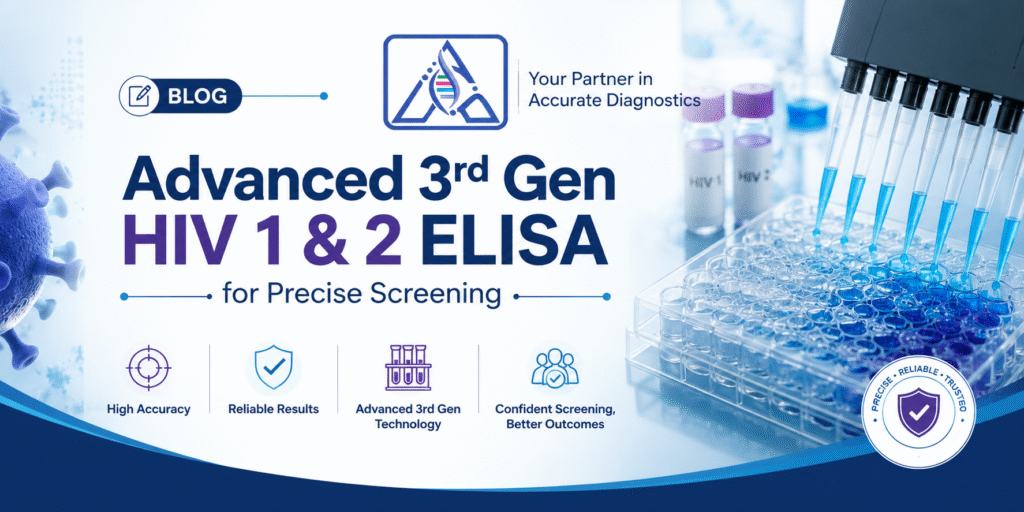
Advanced 3rd Gen HIV 1 & 2 ELISA for Precise Screening Recent Posts Advanced 3rd Gen HIV 1 & 2 ELISA for Precise Screening Summer Health Risks You’re Ignoring & How to Fix Them Filariasis Antibody Test: Uses, Benefits & Disease Burden do you need our help? we always give the best for you 011-45661377 for more info Introduction Human Immunodeficiency Virus (HIV) which spreads throughout the world today affects millions of individuals worldwide. The process of early precise diagnosis establishes essential protection against transmission while it enables health workers to commence their treatment protocols. The 3rd Generation HIV 1 & HIV 2 ELISA kit functions as an essential diagnostic tool which enables healthcare professionals to test for HIV infections and achieve dependable results through its advanced testing capabilities. The research examines how HIV diagnosis presents different obstacles through its symptoms and treatment methods while Astam Diagnostics advanced ELISA solutions improve testing accuracy through their state-of-the-art technology. The Problem: Why Early HIV Detection is Challenging HIV infection often goes unnoticed in its early stages. After exposure, people might not show symptoms or show only mild symptoms which makes their detection challenging. The window period establishes a time frame which creates difficulty for people to receive diagnosis while they pose a higher risk of spreading the virus without knowing their infection status HIV attacks the immune system and, if untreated, can progress to Acquired Immunodeficiency Syndrome (AIDS). The virus spreads mainly through these methods: Unprotected sexual contact Contaminated blood transfusion or needle sharing Mother-to-child transmission during pregnancy or breastfeeding The detection of early infections requires laboratory testing because the symptoms of early infection present as common diseases. ELISA-based testing methods deliver reliable testing solutions. Understanding 3rd Gen HIV ELISA Kits The 3rd Generation HIV ELISA test (Enzyme-Linked Immunosorbent Assay) detects antibodies which the human body produces after becoming infected with HIV. The kits detect three types of antibodies which include IgG and IgM and IgA against both HIV-1 and HIV-2 viruses. The 3rd-generation ELISA kits provide better detection results because they can detect antibodies for infection testing purposes earlier than previous tests which need more time to identify pathogens. The testing method finds applications in: Blood banks for screening donated blood Clinical laboratories for routine testing Diagnostic centres for infection confirmation The high sensitivity and high specificity of the test result make it an ideal choice for screening programs which require testing at larger scales. Common Symptoms of HIV Infection The symptoms of HIV infection show different patterns during each stage of the disease. People who reach the acute stage of the disease experience three main symptoms which include : Fever and fatigue Sore throat Rash Swollen lymph nodes The body undergoes a phase which people think of as flu-like symptoms yet The actual symptoms go unseen. The infection develops into a stage which shows these symptoms: Weight loss Persistent fever Chronic diarrhea Recurrent infections People who lack proper diagnosis and treatment for HIV face the risk of immune system damage which results in life-threatening medical problems. Treatment and Management of HIV The Antiretroviral Therapy (ART) system provides an effective treatment method for HIV because it currently has no complete cure. The diagnosis process enables patients to receive early treatment which helps them to achieve three treatment objectives: The first goal aims to decrease viral load The second goal aims to enhance immune system performance The third goal aims to stop transmission to other people. The effective disease management process requires both continuous patient observation and precise examination methods. The ELISA testing system functions as a vital tool which helps healthcare professionals to detect infections during their most initial stages. Astam Diagnostics: Delivering Precision with 3rd Gen HIV ELISA Kit Astam Diagnostics Pvt. Ltd. operates as a reliable producer of in-vitro diagnostic kits which provide precise yet cost-effective medical testing services. The 3rd Gen HIV 1 & HIV 2 ELISA kit functions as a trustworthy diagnostic tool which includes the following features for its users. The test detects all HIV-1 and HIV-2 antibody subtypes through the measurement of IgG, IgM and IgA antibodies. The test achieves accurate results because it possesses both high sensitivity and high specificity. The test works with human serum and plasma specimens. The test package contains 96 tests which help laboratories perform their work more effectively. The test maintains its performance quality through storage at 2–8°C temperature conditions. The kit uses advanced recombinant antigens to detect antibodies across multiple HIV subtypes, making it suitable for diverse populations. Its precision and reliability make it ideal for hospitals, diagnostic labs, and blood screening centres. Why Choose a 3rd Gen ELISA Kit? The ability to control HIV transmission depends on selecting appropriate diagnostic tests. The 3rd gen ELISA kit provides two main advantages which include: The test improves sensitivity which enables the detection of diseases at their earliest stages. The test identifies all HIV antibodies that exist in different virus strains. The test provides an economical method for screening vast groups of people. The test has been shown to function properly in real medical environments. The advantages of the test provide healthcare professionals with a simple yet effective solution for improving their diagnostic results. Conclusion Early detection serves as the fundamental element which enables successful HIV treatment. The detection of HIV infection requires efficient testing methods because numerous patients experience initial symptoms with no visible signs of illness. The 3rd Gen HIV 1 & HIV 2 ELISA kit offers a reliable method for detecting HIV antibodies which delivers highly accurate results. Astam Diagnostics produces a high-quality product which fulfills modern healthcare system requirements through its advanced technology and superior manufacturing standards. By enabling early diagnosis and supporting treatment decisions, such diagnostic innovations contribute significantly to reducing the global burden of HIV and improving patient outcomes. Phone: +011-45661377 Email : info@astamdiagno.com, bd@astamdiagno.com Website: www.astamdiagno.com Get in touch for business inquiries or orders. Follow us on social media for updates: Facebook, Instagram, YouTube, Twitter and LinkedIn. Facebook Instagram Youtube X-twitter Linkedin Whatsapp
Summer Health Risks You’re Ignoring & How to Fix Them

Summer Health Risks You’re Igning & How to Fix Them Recent Posts Summer Health Risks You’re Igning & How to Fix Them Filariasis Antibody Test: Uses, Benefits & Disease Burden How to Choose a Reliable Diagnostic Kit Supplier in India do you need our help? we always give the best for you 011-45661377 for more info Introduction Most people gear up for summer the same way — stock up on sunscreen, drink more water, maybe pull out a fan. And that’s fine. But the health risks that quietly build up during this season? Those don’t usually make the prep list. That’s a problem. Summer isn’t just about heat. It’s about dehydration that masks itself as fatigue, viral fevers that sneak up before you’ve had a chance to rest, and mosquito-borne illnesses that get misdiagnosed until they’ve done real damage. None of this is alarmist — it’s just what happens every year, to a lot of people, who waited a day or two too long. Here’s what’s worth knowing. That “Just Tired” Feeling Might Not Be Just Tiredness Fatigue, dizziness, a vague heaviness — yes, these can be dehydration. They can also be the opening act of a fever. The tricky part is that both feel similar in the early hours, and most people just drink a glass of water and lie down. That’s not always the wrong call. But it’s a guess. A quick temperature check takes ten seconds and tells you something real. If your body’s running hot, that’s not dehydration — something else is going on, and you’d want to know sooner rather than later. A reliable digital thermometer does this job well. It doesn’t replace a doctor’s judgment, but it does mean you’re working with actual information instead of hoping for the best. Viral Fevers: The Waiting Game That Backfires Seasonal transitions are rough on the immune system. Schools reopen, offices fill up, air conditioning gets cranked — and respiratory viruses move fast in those conditions. The typical instinct is to wait it out. And often, that’s fine. But “wait and see” works a lot better when you’re actually watching. A fever that stays steady at 99°F for two days is a different situation from one that climbs to 102°F by evening. Without tracking, both just feel like “fever.” Monitoring temperature a few times a day gives you a trend, not just a snapshot. That trend is often what a doctor asks about first. Dengue Is More Common Than People Admit This one deserves its own section, because it gets misread constantly. Dengue symptoms — fever, joint pain, exhaustion, sometimes a rash — look a lot like a bad viral fever. Most people, reasonably, assume that’s what it is. They rest, they hydrate, they wait. And sometimes they’re right. But when they’re wrong, the delay matters. The platelet count in dengue can drop fast. Early identification means earlier medical attention, which changes how the illness progresses. At-home dengue test kits have made this more accessible — you don’t need to book a lab appointment three days out to find out if you should be worried. You can check, and then decide. Chikungunya follows a similar pattern. The joint pain can be intense and last for weeks, but early confirmation helps people get appropriate care instead of guessing at a treatment plan. Food Poisoning in Summer: The Decision Problem Here’s the practical issue with summer food-related illness: the symptoms overlap with so many other things. Nausea, vomiting, a low-grade fever — is this food poisoning? A stomach bug? Something else? The instinct is to wait a few hours and see. That’s often fine. But if a fever is rising alongside the digestive symptoms, that’s a signal that warrants more attention. It could mean the infection is more than surface-level. Temperature monitoring here isn’t about diagnosis. It’s about deciding whether this is a “rest and fluids” situation or a “call the doctor” situation. That’s a genuinely useful thing to know quickly. Heatstroke Doesn’t Announce Itself Unlike most summer illnesses, heatstroke doesn’t build gradually with obvious warning signs. It can escalate from discomfort to emergency in a short window, especially in older adults and children. The early symptoms — headache, confusion, feeling unusually hot — are easy to brush off, especially if you’ve been out in the heat and expect to feel rough. Regular temperature checks during prolonged heat exposure aren’t paranoia; they’re the kind of thing that prevents an ER visit. If someone’s core temperature is climbing and they’re showing signs of confusion or weakness, that’s not a “lie down and drink water” moment. That’s immediate cooling and medical attention. Women’s Health Doesn’t Pause for Summer Seasonal stress, disrupted routines, heat, and changes in hydration all affect hormonal balance. These things interact in ways that aren’t always obvious, and the gap between “something feels off” and “let me actually check” is often just inconvenience. Home-based testing kits have made that gap smaller. Whether it’s tracking a cycle irregularity or checking a specific health indicator, having the option to do that privately — without scheduling a clinic visit for something that might be nothing — matters. It lowers the barrier to actually paying attention. The Real Shift: Reacting Less, Knowing More The pattern across all of these risks is the same: symptoms appear, they get written off, and by the time someone seeks real help, the situation is more complicated than it needed to be. This isn’t a failure of intention. People are busy, symptoms are ambiguous, and most of the time things do resolve on their own. The problem is that “most of the time” isn’t always. What changes the outcome isn’t heroic medical intervention — it’s having basic information early. A temperature reading. A test result. A trend over 24 hours instead of a single moment of panic. These aren’t replacements for medical care; they’re what makes medical care more effective when it happens. What a Summer-Ready Medicine Cabinet Actually Looks Like Beyond the usual sunscreen and
Filariasis Antibody Test: Uses, Benefits & Disease Burden

Filariasis Antibody Test: Uses, Benefits & Disease Burden Recent Posts Filariasis Antibody Test: Uses, Benefits & Disease Burden How to Choose a Reliable Diagnostic Kit Supplier in India Rapid Test Kits: The Future of Early Disease Detection do you need our help? we always give the best for you 011-45661377 for more info Introduction The disease known as lymphatic filariasis results from parasitic worms, which include Wuchereria bancrofti and Brugia malayi. The disease spreads through mosquito bites, which infect people and damage their lymphatic system. The World Health Organisation identifies filariasis as a major public health issue that occurs in tropical and subtropical areas worldwide. Understanding Filariasis and Its Global Burden Lymphatic filariasis affects millions of people worldwide and creates a health risk for approximately 500 million individuals. The World Health Organisation (WHO) reports that the disease ranks among the top causes of permanent disability throughout the world because it leads to long-term disfigurement and reduced work capabilities, which create economic burdens for society. India carries a significant share of the global burden. About 40% of worldwide filariasis cases occur in India, which puts hundreds of millions of people at risk of getting infected. The Indian population historically has faced infection risks because approximately 470 to 550 million people have come into contact with hazardous situations, which shows that this issue represents a serious threat. The government wants to remove filariasis from the public health agenda by 2027 through two strategies: distributing medication to the public and developing better methods for disease detection. What is a Filariasis Antibody Test? A Filariasis Antibody Test enables doctors to identify specific immune system antibodies which develop after patients encounter filarial parasites. Antibody tests function as a diagnostic tool to identify hidden or initial infections when the blood analysis shows no microfilariae presence. These tests are particularly useful in: Early-stage detection of infection Screening in endemic regions Epidemiological surveillance and control programs Supporting clinical diagnosis in symptomatic and asymptomatic individuals Principle and Methodology The Filariasis Antibody Test typically uses immunoassay-based techniques such as lateral flow assays or ELISA (Enzyme-Linked Immunosorbent Assay). The methods use antigen-antibody interactions to verify parasite exposure because they depend on this fundamental relationship The main characteristics of the system include these elements: The system provides a fast testing solution which users can operate without difficulty. The system needs only a small blood sample, which can be obtained from whole blood serum or plasma. The system demonstrates exceptional ability to detect results with complete accuracy. The rapid tests provide results which users can access within minutes. Field tests become essential because they provide solutions for situations where available laboratory resources are insufficient. Role of Diagnostics in Filariasis Control Accurate and timely diagnosis plays a critical role in controlling and eliminating filariasis. The disease remains active in infected individuals who show no symptoms for extended periods of time. The traditional diagnostic methods, which use night blood smear examination, face three essential limitations: Time-dependent sample collection The method shows decreased accuracy when detecting early-stage infections. The method needs special skills which only trained professionals possess. Antibody-based tests provide a solution to these problems by enabling: Doctors can identify patient conditions before they start exhibiting clinical symptoms. Public health organizations can test entire populations during their health initiatives. The program evaluation process includes using this method to track elimination program success. The features of antibody tests function as the core element which medical professionals use to manage filariasis treatment in contemporary healthcare systems. Product Insight: Filariasis Antibody Test by Astam Diagnostics Astam Diagnostics Pvt. Ltd. developed the Filariasis Antibody Test to enable fast and dependable detection of filarial antibodies. The product information reveals essential features which include: The test detects filariasis antibodies in a rapid and direct manner The test system serves both clinical laboratories and point-of-care testing locations The test system requires only basic skills for operation through its user-friendly design The system enables medical professionals to perform tests in regions where the disease exists The current demand for diagnostic solutions needs to meet the requirements of the Indian population, who need to undergo regular health assessments Importance in Public Health Programs India’s elimination programs depend on diagnostic tools to assess disease distribution and determine the required control measures. Antibody testing supports these initiatives by identifying infected individuals early and helping reduce transmission cycles. Improved diagnostic tools fix one of the main issues, which recent studies showed as a problem because of missing tests and insufficient detection abilities, which create obstacles to proper disease control. Conclusion Filariasis remains a major public health issue which affects India and various tropical nations. The front line of disease control measures requires both extensive treatment initiatives and precise early diagnosis methods. The Filariasis Antibody Test functions as a crucial diagnostic tool which helps detect infections at an early stage while it enables disease monitoring and clinical decision-making processes. The development of rapid testing technology, combined with backing from Astam Diagnostics, brings renewed optimism to the worldwide mission of eradicating lymphatic filariasis within the upcoming years. By integrating reliable diagnostics with preventive strategies, healthcare systems can move closer to a filariasis-free world. Phone: +011-45661377 Email : info@astamdiagno.com, bd@astamdiagno.com Website: www.astamdiagno.com Get in touch for business inquiries or orders. Follow us on social media for updates: Facebook, Instagram, YouTube, Twitter and LinkedIn. Facebook Instagram Youtube X-twitter Linkedin Whatsapp
How to Choose a Reliable Diagnostic Kit Supplier in India
How to Choose a Reliable Diagnostic Kit Supplier in India Recent Posts Summer Health Risks You’re Ignoring & How to Fix Them Filariasis Antibody Test: Uses, Benefits & Disease Burden How to Choose a Reliable Diagnostic Kit Supplier in India do you need our help? we always give the best for you 011-45661377 for more info Introduction Purchasing a diagnostic kit supplier becomes an essential business relationship which determines how well patients will receive medical treatment through accurate test results. Reliable suppliers become essential for distributors, hospitals, laboratories and healthcare startups because their service directly impacts operational excellence and business advancement. Astam Diagnostics Pvt. Ltd. operates as an organization that specializes in understanding market challenges. Our Indian diagnostic solution manufacturing company aims to provide healthcare facilities and distributors with our products while establishing enduring business relationships. 1. Evaluate Product Quality and Certifications The first and most important factor is product quality. Diagnostic kits must deliver accurate and reproducible results, as even minor inconsistencies can lead to misdiagnosis. Astam Diagnostics operates as a dependable supplier that maintains complete control over quality standards while fulfilling regulatory requirements. When evaluating suppliers, always check for: ISO certifications (such as ISO 13485) CDSCO approvals Proper validation and batch testing Astam Diagnostics guarantees all products will meet identical standards through our continuous testing process which produces reliable results for medical professionals. 2. Assess Product Range and Specialization A strong supplier should offer a diverse portfolio of diagnostic solutions, allowing you to source everything from one trusted partner. Astam Diagnostics offers our customers: Rapid test kits for infectious diseases (Dengue, Malaria, HIV, etc.) ELISA kits Point-of-care testing solutions This wide range helps our partners reduce sourcing complexity while ensuring product consistency. 3. Choose a Manufacturer, Not Just a Trader People tend to overlook the critical aspect which determines whether a supplier should be evaluated as a manufacturer or a trader. Astam Diagnostics Pvt. Ltd. provides manufacturers who need to develop their operations with advantages that include: Better control over quality Consistent supply and faster production Competitive pricing Customization flexibility As a manufacturing company, we develop and test all products which we create under our strict product development standards. 4. Regulatory Compliance and Documentation The ability to provide transparent information about its operations constitutes the primary criterion for determining whether a supplier can be considered trustworthy. At Astam Diagnostics, we provide complete documentation support, including: Product datasheets Instructions for use (IFU) Regulatory approvals Technical details Our compliance solution enables partners to distribute and use our products without any restrictions while they follow all necessary regulations. 5. Reliable Supply Chain and Timely Delivery The diagnostic field considers delays to be more than mere interruptions because they can disrupt the process of delivering medical services to patients. Astam Diagnostics focuses on: Strong inventory management Scalable production capacity Timely dispatch and delivery The system guarantees continuous product availability throughout times of peak demand which include seasonal disease outbreaks and public health emergency situations. 6. Technical Support and After-Sales Service A dependable supplier continues to assist customers after completing their product sales. Astam Diagnostics provides the following services: We deliver product training together with operational support. Our team delivers immediate technical support. We offer special customer service to our distributors and partners. Our company collaborates with clients to achieve successful product implementation which results in enduring customer satisfaction. 7. Strong Market Presence and Trust Reputation matters. A supplier with industry experience and trusted partnerships is always a safer choice. Astam Diagnostics established its business operations through two main paths which include: Quality-driven manufacturing Long-term client relationships Continuous innovation in diagnostics The expansion of our partner network demonstrates the confidence we have established throughout the industry. 8. Customization and Private Label Opportunities Distributors who want to grow their business through brand development will find that customization provides them with key benefits. Astam Diagnostics supports: Private product labeling Customized packaging solutions Product development according to market needs The system allows our partners to develop their unique brand through our manufacturing capabilities. 9. Cost vs Value: Think Long-Term Customers who choose lower-priced products lose money because they choose to reduce the quality of their products Astam Diagnostics delivers value-driven solutions which combine affordable pricing with high performance and dependable support services. This ensures better outcomes for both businesses and patients. Conclusion The process of selecting a diagnostic kit supplier in India requires more than price evaluation because it demands an assessment of product quality and supplier dependability, and evaluation of their capacity to build enduring business relationships. Through your collaboration with Astam Diagnostics Pvt. Ltd. as your established manufacturing partner you obtain The company provides complete laboratory testing equipment which meets certification standards The company maintains a wide range of products for customers to select from The company ensures dependable product distribution and operational assistance The company provides customers with multiple ways to create customized solutions Your company will achieve market dominance through strategic partnership with the right organization because the diagnostics sector in India continues to expand. Astam Diagnostics serves as a reliable partner for diagnostic kit manufacturing because the company focuses on delivering high-quality products and innovative solutions, and building customer trust. Phone: +011-45661377 Email : info@astamdiagno.com, bd@astamdiagno.com Website: www.astamdiagno.com Get in touch for business inquiries or orders. Follow us on social media for updates: Facebook, Instagram, YouTube, Twitter and LinkedIn. Facebook Instagram Youtube X-twitter Linkedin Whatsapp