
Why This Matters Beyond a Single Test Report
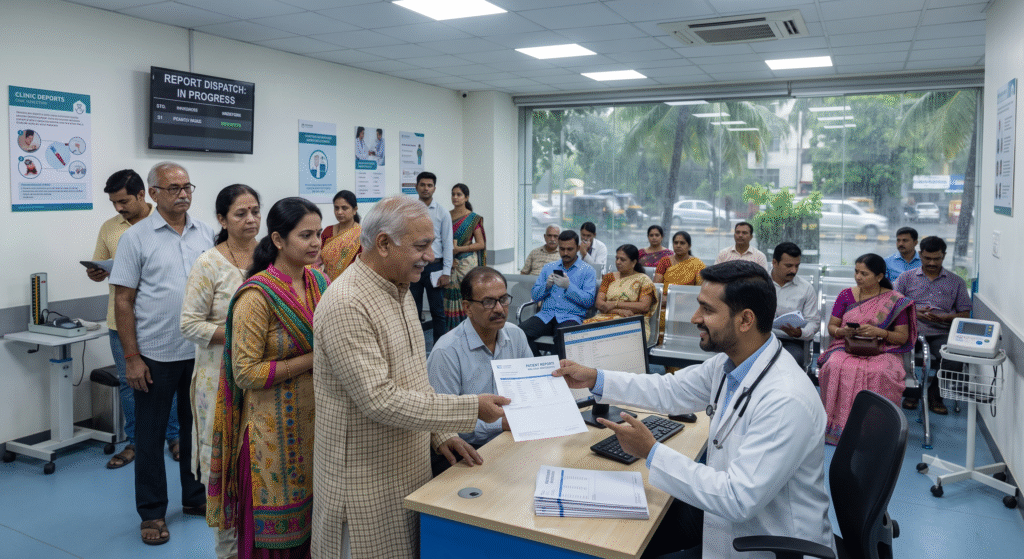
A fever test result isn’t just a data point sitting in a file. It shapes real decisions — starting treatment, isolating a suspected infection, tracking disease spread at a community level. When testing is accurate and timely, it supports better clinical decision-making, smoother patient management, and stronger disease surveillance overall.
As India’s healthcare infrastructure continues to expand, labs equipped with dependable diagnostic technology are likely to matter even more during high-demand periods like monsoon. Investing in reliable diagnostic solutions now is, in a very practical sense, preparation for whatever the next peak season brings.
Conclusion
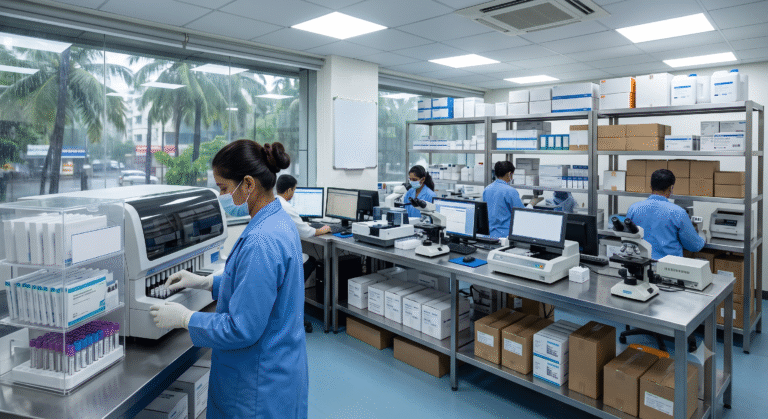
Monsoon season is a reminder that healthcare preparedness starts well before patients start arriving at hospitals. Reliable diagnostic labs, consistent-quality IVD products, and dependable supplier relationships all support stronger clinical decisions during periods of high demand.
At Astam Diagnostics Pvt. Ltd., our focus stays on supporting healthcare professionals with diagnostic solutions that hold up under pressure — steady quality, steady consistency, and operations that keep running when the case load doubles. That’s the part of the job that actually counts during monsoon, and beyond it.
Frequently Asked Questions
Q: Why does diagnostic testing demand increase during monsoon season?
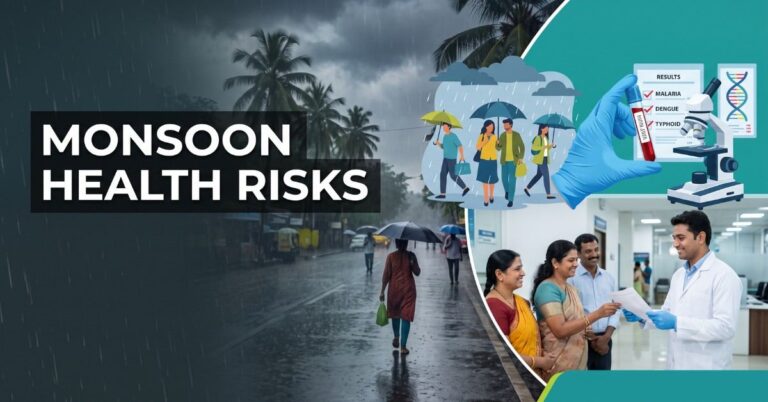
A: Monsoon conditions create more mosquito breeding and water contamination, which increases cases of dengue, malaria, typhoid, and leptospirosis — all of which require lab confirmation for accurate diagnosis and treatment.
Q: Why do many monsoon illnesses need lab confirmation instead of just a clinical exam?
A: Conditions like dengue, malaria, typhoid, and seasonal flu often present with overlapping symptoms such as fever and body aches, so laboratory testing helps confirm the exact cause before treatment begins.
Q: What should a diagnostic lab prioritise before monsoon season peaks?
A: Reviewing inventory of essential test kits, scheduling equipment maintenance, maintaining quality control procedures, and confirming staff are current on protocols — all before demand spikes, not during it.
Q: How does Astam Diagnostics support labs during high-demand periods like monsoon?
A: Astam Diagnostics supplies rapid test kits, ELISA kits, and diagnostic equipment for infectious diseases, with a focus on consistent batch-to-batch performance and responsive support when labs have questions.
Q: Does reliable diagnostic testing actually reduce healthcare costs during monsoon?
A: Yes. Faster, accurate diagnosis reduces unnecessary treatment delays, supports earlier clinical intervention, and helps prevent complications that come from late or incorrect diagnosis.
 Phone: +011-45661377
 Email : info@astamdiagno.com, bd@astamdiagno.com
 Website: www.astamdiagno.com
 Get in touch for business inquiries or orders.
Follow us on social media for updates: Facebook, Instagram, YouTube, Twitter and LinkedIn.