In healthcare, timing can make all the difference. While medical science has made significant progress in disease detection and treatment, there’s one challenge that kind of keeps showing up, affecting millions of people worldwide: delayed diagnosis. And a lot of medical conditions, from infectious diseases to chronic illnesses, are often only identified after the symptoms get strong enough to finally demand medical attention.
The consequences of delayed diagnosis don’t just stay with one person. They spread out to families, healthcare systems, workplaces, and even entire communities. Increased treatment costs, longer recovery windows, preventable complications, and higher disease transmission rates are some of the hidden costs that come with late testing, and it’s not always obvious right away.
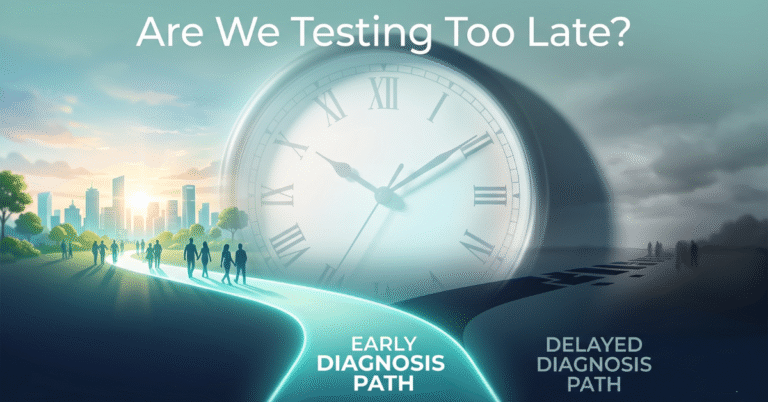
As healthcare keeps moving toward prevention and early intervention, the question becomes more and more urgent: Are we testing too late?
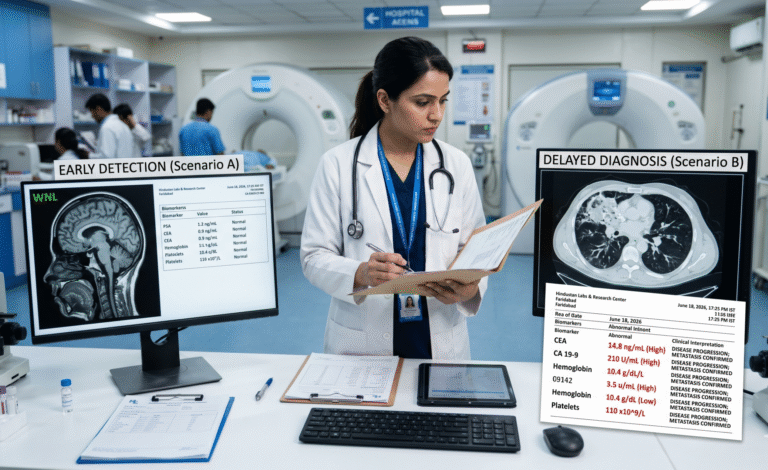
Delayed diagnosis happens when a disease or medical condition is identified well after it could have been detected. In many situations, people ignore early symptoms, or they don’t have stable access to testing facilities, or they just don’t take routine health screening seriously enough.
For some illnesses, they can stay silent for weeks, months, or even years before anything noticeable happens. Conditions like hepatitis, HIV, cardiovascular disorders, diabetes, and a range of infectious diseases often advance quietly during the early phase. By the time symptoms show up, treatment can become more complex and also more costly.
This is where timely early disease detection becomes a critical part of modern healthcare.

One of the most overlooked outcomes of delayed diagnosis is the economic load it brings along with it, yes. When diseases are caught early, care is usually more straightforward, less invasive, and generally more affordable. Still, if diagnosis is postponed, patients can end up needing big medical procedures, longer hospital stays, focused therapies, and ongoing follow-up, sometimes for a long time.
For healthcare providers and hospitals, managing late-stage illness can raise how many resources used quite a lot. And for patients and their families, the financial pressure can get hard to bear, fast.
Preventive healthcare is not only a clinical plan, but it is also a cost-reducing approach that supports both individuals and healthcare systems.
Today, healthcare is moving from reactive treatment toward prevention-first thinking. Instead of waiting for symptoms to grow worse, clinicians are pushing people to schedule routine screening and diagnostic checks.
Early testing can deliver multiple practical benefits, like:
Advanced diagnostic solutions can also make it possible to spot many conditions in minutes or a few hours, not days. That timing helps healthcare teams step in right away when action is needed, without dragging things out.
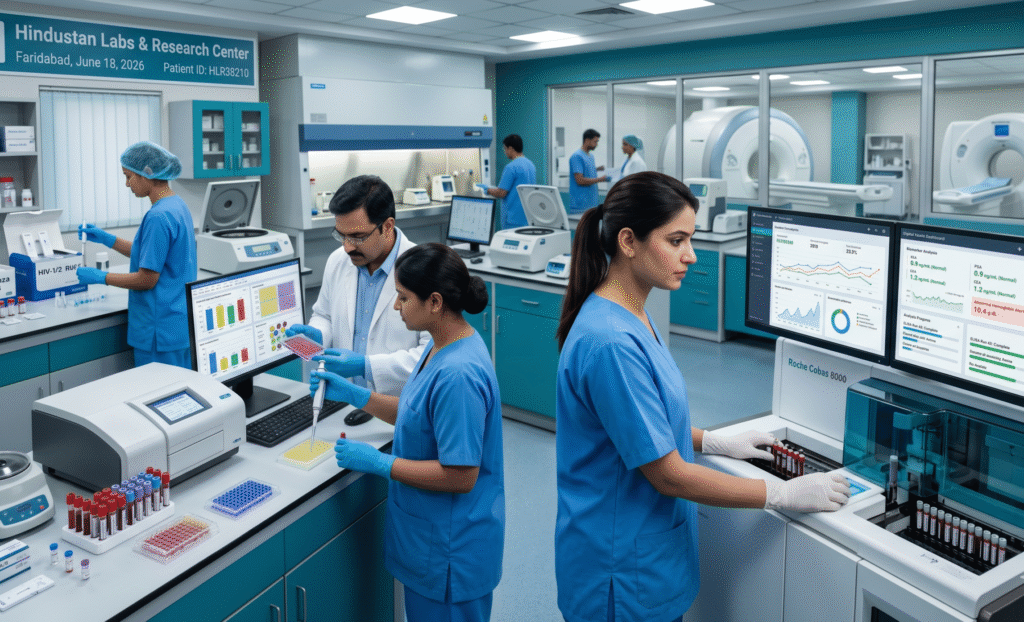
Diagnostic innovation has kind of transformed the way healthcare professionals detect diseases, not in a small way but gradually, step by step. Modern Rapid Test Kits now feel like essential tools for quick and dependable screening across hospitals, laboratories, clinics and even community healthcare settings, you know.
These testing solutions help providers spot possible health concerns fast, so there’s more chance for earlier action and less time wasted in diagnostic delays. Similarly, ELISA Kits still carry a big role in careful laboratory based disease detection and screening programs, because their reliability and precision help support better clinical choices and smoother patient care.
As diagnostic technologies continue to move forward, healthcare systems are also becoming more ready to spot diseases before they can grow into serious health threats, and that matters.
Infectious diseases really bring out why timely testing is so important, probably more than almost any other challenge in healthcare. When infections are not detected, patients may spread diseases to others without even realising it, while their own health keeps worsening. A delayed diagnosis can end up fueling outbreaks, raising healthcare pressure, and causing avoidable complications.
Modern Infectious Disease Testing allows healthcare professionals to find infections earlier, isolate the risk, and start treatment without waiting too long. This protects the individual patient, but it also backs public health efforts at the same time.
Overall, the capacity to detect diseases quickly has become an essential part of disease control and prevention strategies across the world.

Traditional diagnostic pathways typically roll through several stages, like collecting the sample, getting it transported, then the lab processing, and finally the reporting of results. It works, but at times these steps can add extra hours or even days, so treatment decisions end up being pushed back a bit.
Point-of-Care Testing is helping bridge that gap by placing diagnostic testing nearer to patients, rather than waiting on a whole chain of referrals and lab work. Whether it is in rural clinics, emergency departments, outpatient centres, or broader community healthcare programs, point-of-care solutions make it possible to get diagnostic info more quickly. This sort of setup supports brisker decision-making and also makes healthcare access better, especially in places where lab capacity is limited, or just not there reliably.
Healthcare professionals are increasingly aligning on the idea that prevention is often more effective than a cure. When routine screening, health awareness, and regular checkups happen, potential health concerns can be noticed earlier. That earlier recognition can matter a lot, because issues don’t have as much time to worsen.
The growing adoption of Preventive Health Screening really signals a wider shift toward patient-centred care. People are starting to be more proactive about understanding their own health conditions and then taking smart preventive actions to safeguard their well-being.
For healthcare providers, diagnostic manufacturers, and policymakers, promoting timely testing is still one of the most reliable strategies for supporting better long-term health results.
The hidden cost of a late diagnosis spreads way past medical bills. It messes with patient outcomes, day-to-day quality of life, how smoothly healthcare runs, and even public health. Since diseases keep evolving, and healthcare demands keep getting higher, early testing honestly hasn’t been more crucial than now.
New progress in Rapid Test Kits, ELISA Kits, Point-of-Care Testing, and other fresh diagnostic tools is really helping shorten the time between symptoms and results, which can make things happen sooner and with more grounded choices. When individuals and healthcare providers lean into early detection, plus a bit of preventive health care routines, they can collaborate toward a healthier future where illnesses are noticed sooner, treated sooner, and controlled more effectively.
Q: What is a delayed diagnosis?
A: Delayed diagnosis occurs when a medical condition is identified later than it could have been, potentially leading to more complex treatment and poorer health outcomes.
Q: Why is early disease detection important?
A: Early disease detection helps healthcare providers begin treatment sooner, improve patient outcomes, reduce healthcare costs, and prevent complications.
Q: How do rapid test kits help reduce delayed diagnosis?
A: Rapid test kits provide quicker results, enabling healthcare professionals to identify health conditions earlier and make faster treatment decisions.
Q: What role does point-of-care testing play in modern healthcare?
A: Point-of-care testing allows diagnostic tests to be performed near the patient, reducing waiting times and improving access to timely healthcare services.
Q: Can preventive health screening reduce healthcare costs?
A: Yes. Preventive health screening can identify diseases before they become severe, often reducing treatment complexity and long-term healthcare expenses.
Phone: +011-45661377
Email : info@astamdiagno.com, bd@astamdiagno.com
Website: www.astamdiagno.com
Get in touch for business inquiries or orders.
Follow us on social media for updates: Facebook, Instagram, YouTube, Twitter and LinkedIn.