

facebook

Astam Diagnostics

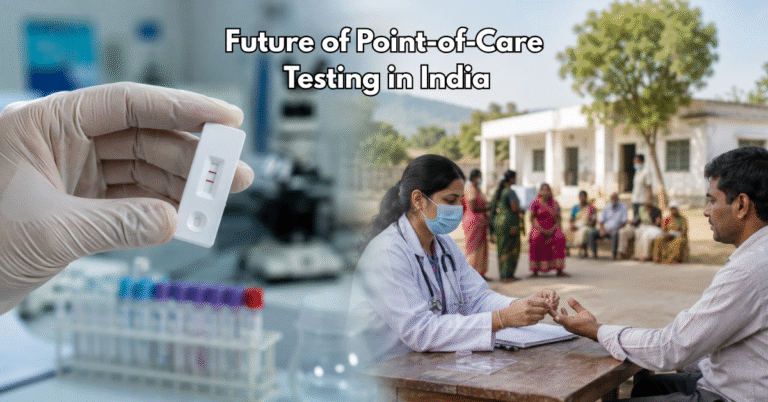
Future of Point-of-Care Testing in India

Introduction

The Indian diagnostic landscape is going through a massive kind of paradigm shift, and honestly it feels faster than before. Traditional centralized lab testing, which often needs 48 to 72-hour turnaround time, just isn’t enough when clinical decisions have to happen right now. These days, the demand of the hour is immediacy, precision, and decentralized accessibility.

Whether it is an emergency clinic in a metro city or a primary healthcare center in some remote village, swift point-of-care testing, or POCT, is quickly turning into the backbone for early medical action. And as an industry-leading diagnostic manufacturer, Astam Diagnostics looks at three key pillars that are really shaping this change in healthcare, step by step.

Managing Monsoon Fevers: How Do Rapid Test Kits Actually Catch Dengue, Malaria, and Chikungunya?

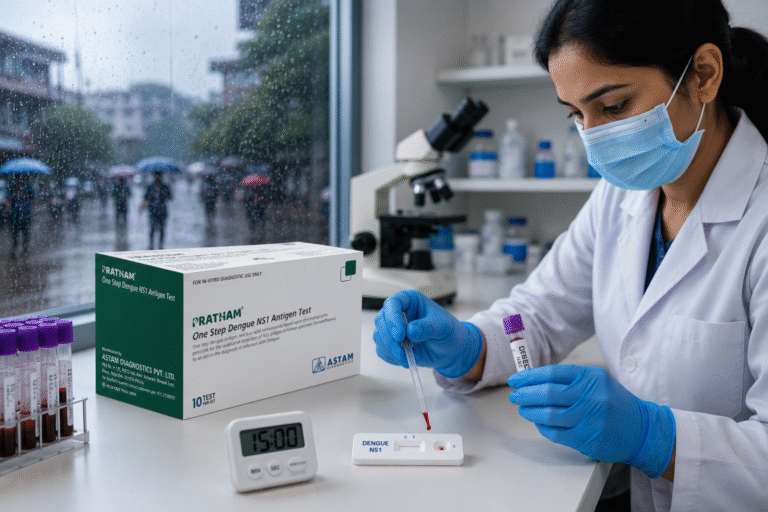
When monsoon season arrives, healthcare facilities inevitably see a heavy influx of patients who show sudden, acute high fevers. The issue is that seasonal illnesses such as Dengue, Malaria, and Chikungunya often look almost similar at the beginning, clinically. So, trying to diagnose them only from symptom observation is, in practice, highly inaccurate.  

Then there is the waiting part. Waiting days for traditional blood cultures or PCR results during a high-volume seasonal surge can create dangerous, life-threatening delays. For example, severe Dengue really needs immediate monitoring of platelet counts, otherwise the risk of internal hemorrhaging becomes serious.

Advanced Rapid Test Kits change that whole flow. With high-sensitivity lateral flow assays, today’s rapid kits can detect Dengue NS1 antigens or Malaria biomarkers in about 15 minutes, even on the very first day of fever symptoms. For labs, clinics, and B2B medical distributors, it becomes super important to stock up on high-specificity rapid diagnostic kits ahead of the rainy season. That single move is often the most critical step for effective seasonal outbreak management.

The Indian Gut Health Epidemic: Why early screening for H. pylori and Typhoid is blowing up?

While seasonal fevers grab the loud headlines in acute care, there’s this quiet, ongoing thing happening across urban India—chronic gastrointestinal trouble. It seems fueled by shifting food habits, rising mental strain, and water contamination, especially during climate transitions, so a huge number of people end up with ongoing stomach discomfort, acidity, and uncomfortable bloating.

A lot of times, what should be taken seriously gets treated like “just lifestyle indigestion”. But the usual culprit is often a Helicobacter pylori (H. pylori) bacterial infection. If it’s not addressed, H. pylori can move into chronic peptic ulcers, and that can raise gastric cancer risks in a pretty major way. In a similar manner, contaminated water sources trigger predictable surges in Typhoid fever (Salmonella typhi).

For years, confirming an H. pylori infection meant going through invasive endoscopies or complicated breath-based testing. Now though, very accurate rapid stool antigen and serum antibody test kits are available, so screening can be completely non-invasive, also more affordable. When clinics weave these rapid tests into routine checks, they can spot gut infections early, stop long-term damage before it becomes entrenched, and streamline patient management pathways right away.

The Healthcare Tech Revolution: How are AI and medical device upgrades changing diagnostics?

Demand for gut health and seasonal fever-related testing is rising, and it’s moving together with a fast technological shift in medical manufacturing. Diagnostics are basically stepping out of those faraway mega-labs and into… the patient’s bedside, more directly, more quickly.

Key technological advancements shaping diagnostics include, sort of: 

  • AI-assisted interpretation, where smartphone-connected diagnostic readers use relatively simple AI algorithms to read the lateral flow test lines. This cuts down on human visual error and also gives more objective digital results, which people can trust more.
  • Climate-resilient infrastructure is the other big one. New manufacturing techniques help diagnostic reagents hold up really well thermally, so these kits can tolerate harsh Indian swings, like intense summer heatwaves, and 95% monsoon humidity without losing activity or performance.

Frequently Asked Questions  

Q: Can a rapid test kit differentiate between Dengue and Chikungunya?  

A: Yes. Even though the clinical symptoms overlap, separate high specificity rapid antigen and antibody test kits are designed around different viral biomarkers. That means clinicians can identify the difference accurately, within about 15 minutes.  

Q: Why is rapid testing preferred over endoscopy for initial H. pylori screening?  

A: Because rapid H. pylori antigen and antibody tests are non-invasive, generally very affordable, and they return results in minutes. So it becomes the practical first pass screening approach, before anyone considers invasive medical endoscopy.  

Q: What is point-of-care testing (POCT) and why is it important in India?
A: Point-of-care testing allows healthcare providers to diagnose diseases near the patient and receive results within minutes, enabling faster treatment decisions.

Q: How accurate are rapid diagnostic test kits for dengue and malaria?
A: Modern rapid diagnostic kits use advanced antigen and antibody detection technologies and can provide highly accurate results within 15–20 minutes.

Q: Can AI improve point-of-care diagnostics?
A: Yes. AI-powered diagnostic readers reduce human interpretation errors, improve result consistency, and support digital healthcare workflows.

Q: Why is early H. pylori screening important?
A: Early detection of H. pylori helps prevent complications such as chronic ulcers and reduces the risk of gastric cancer.

Conclusion  

Managing India’s fast-changing healthcare realities needs proactive, locally tuned, and highly accurate diagnostic tools. Whether it’s preparing for the seasonal monsoon surge or handling the upward trend in urban gut health disorders, the real effectiveness of the medical ecosystem depends on the sturdiness and quality of its testing infrastructure.  

At Astam Diagnostics, we support laboratories, hospitals, and medical distributors across the country. Our full lineup of cGMP-compliant, high-sensitivity Rapid Test Kits, ELISA kits, and advanced medical devices are engineered to produce precise data when every minute matters and patients can’t wait.

Ensure your facility is fully equipped for the season ahead. Here is our Product Catalogue. Contact our team today to secure your seasonal wholesale inventory.

📞 Phone: +011-45661377
📧 Email : info@astamdiagno.combd@astamdiagno.com
🌐 Website: www.astamdiagno.com

📩 Get in touch for business inquiries or orders.

Follow us on social media for updates: FacebookInstagramYouTubeTwitter and LinkedIn.