
facebook Skip to main content

Astam Diagnostics

World Pneumonia Day: Early Signs & Symptoms

Introduction

Every year, on 12 November, World Pneumonia Day aims to educate the world on pneumonia, the measures for prevention and early detection, and the treatments available for the condition. With a rise in infection rates, cough and fever and shortness of breath can, in certain circumstances, be signs of more than the common cold or the flu.

Pneumonia is an infection in the lungs that affects people of all ages. However, children and elderly people are at greater risk and the sooner it is recognized, the more manageable and less risky it becomes. 

The topics in this blog will include an overview of the signs of pneumonia, what constitutes an emergency, symptoms at various ages, how pulse oximeters come into play, and what the professionals in healthcare can do to detect and treat the infection. 

What Are the Common Symptoms of Pneumonia?

When lungs get infected, it causes an increase in inflammation and a collection of fluid and/or pus inside the air sacs that make up the lungs, thus impeding the ability to breathe. Among other things, the common symptoms associated with pneumonia are as follows:

  • Persistent cough and the expulsion of mucus from the lungs
  • Fever, chills, and sweating
  • Rapid breathing and the shortness of breath
  • A stabbing pain in the chest when one is either breathing or coughing 
  • An overall feeling of exhaustion and weakness along with a loss of appetite. 

It’s possible that these symptoms might mimic the symptoms associated with a cold. But it’s time for an assessment if you have a lingering cough, persistent fever, or difficulty with breathing.

How Do Pneumonia Symptoms Differ in Children and Older Adults?

The symptoms that develop due to pneumonia differ according to a patient’s age and overall health.

Babies and young children exhibit rapid breathing, chest in-drawing, nostril flaring, poor feeding, abnormal irritability and extreme sleepiness.

For the elderly, pneumonia may manifest as reduced appetite and increased weakness, in addition to other signs of confusion and a general decline in overall health. In many instances, the elderly will not even develop a significant fever.

Astam Diagno encourages greater awareness of these age-specific symptoms so parents and caregivers can recognise potential health concerns early.

When Should Pneumonia Symptoms Be Treated as an Emergency?

Some symptoms shouldn’t be managed at home and require immediate care. 

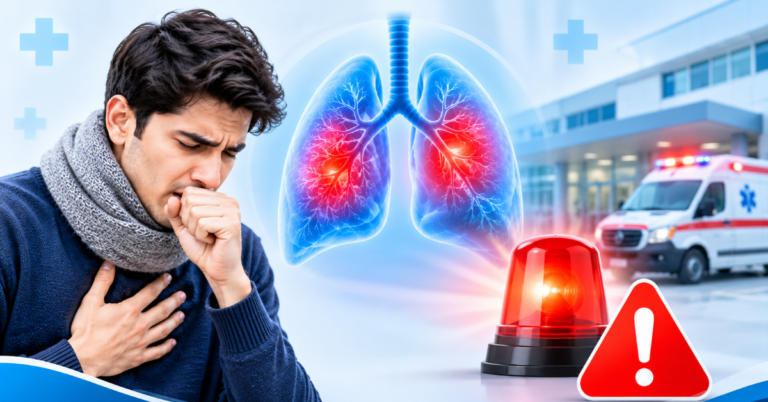
Emergency warning signs are: 

  • Severe trouble breathing. 
  • Lips, face, or fingernails that are gray or blue.
  • Extreme pain in the chest.
  • An inability to wake up, unconsciousness, or confusion.
  • An inability to keep down liquids and/or signs of extreme dehydration.

For babies, if you see chest indrawing or they aren’t wanting to eat, seek immediate care.

Astam Diagno is stressing the importance of consulting with medical professionals, not self diagnosing. 

Can a Pulse Oximeter Help Monitor Pneumonia Warning Signs?

Pulse oximeters are medical devices that can estimate SpO2, or blood oxygen saturation. They are useful for patients with respiratory issues to monitor their blood oxygen saturation. 

For the average healthy person, an SpO2 range of 95% – 100% is typical. Sustained readings below 92% necessitate medical consultation. Below 90% is typically considered a medical emergency. 

A pulse oximeter that returns a normal reading does not necessarily rule out pneumonia or other critical illnesses. Don’t ignore worsening symptoms like shortness of breath and chest pain.

Pulse oximeter readings may be inaccurate if your fingers are cold, if you are moving, have poor circulation, or are particularly pigmented.

Astam Diagno is dedicated to assisting medical professionals by providing diagnostics, and the technology to help medical professionals make better choices in providing patient care.

How Do Healthcare Professionals Diagnose and Treat Pneumonia?

Healthcare professionals combine physical exams and histories with specific tests to diagnose pneumonia. 

Your doctor may order some or all of the following:

  • X-ray imaging of your chest, to check for lung abnormalities.
  • Blood tests to check for the presence of an infection.
  • Examination of your sputum, to identify what organisms might be infecting your lungs.
  • Pulse oximetry to monitor oxygen saturation.

Different methods are used to address pneumonia and how bad it is. For example, some bacterial pneumonia will need antibiotics, whereas viral pneumonia will usually need care to help the patient and in some cases, will require antiviral medicine. Severe cases will also need a stay in the hospital, and will likely require oxygen therapy. 

Astam Diagnostics Pvt. Ltd. is one company that sells a broad range of products used to help provide diagnoses. They offer rapid test kits, ELISA kits, and some medical devices to meet the diagnostics needs of healthcare professionals and laboratories.

How Can Families Reduce the Risk of Pneumonia?

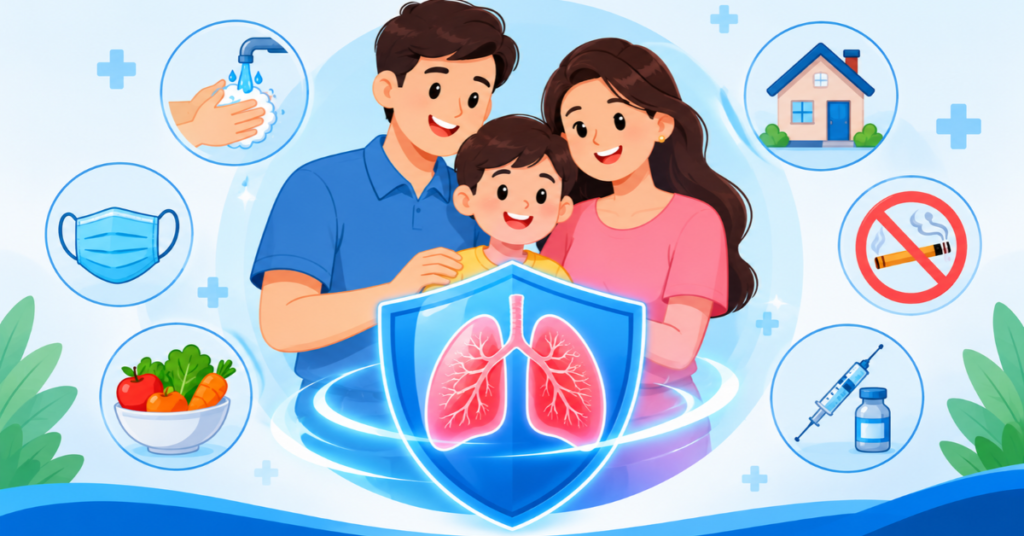
Prevention of disease is important, particularly for more at-risk populations. Families can take a few steps to lower the risk of pneumonia: 

  • Get the right vaccinations on time. 
  • Regularly wash hands.
  • Properly vent rooms to ensure adequate airflow.
  • Avoid exposure to tobacco smoke and pollution inside the home.
  • Eat and drink a sufficient amount of food and water, and sleep.

A healthcare professional can discuss vaccination schedules, age-appropriate vaccines, and preventive measures that support healthy respiratory systems. 

Conclusion: Why Does Early Pneumonia Awareness Matter?

It is especially important for the very young and the elderly to avoid developing pneumonia because it is a very dangerous and life-threatening condition for these groups. Early detection is especially important for them. As always, early diagnosis and proper treatment is of the utmost importance for all age groups.

In Astam Diagnostics Pvt. Ltd., we are especially passionate about protecting and caring for everyone, including infants and children. As part of that commitment, we seek to provide as much education as possible regarding early symptoms of pneumonia so that parents and caretakers of infants and children may be vigilant and hopefully take them to a doctor if and when they are suspected of having pneumonia. We do this to ensure children do not develop more serious or even life threatening complications of pneumonia, such as chronic damage of the lungs, which can have long-lasting effects for them as adults. 

Along with early recognition, awareness, and diagnosis, we at Astam Diagno hope to support the delivery of high-quality healthcare. We are dedicated to the cause of ‘protecting every breath’. 

We look forward to fulfilling this goal and hope you will join us in this worthy and necessary endeavor on World Pneumonia Day 2026.

Frequently Asked Questions (FAQs)

Q: What do children do when they get pneumonia?

A: Fever, cough that won’t go away, rapid breathing, sucking in of the chest, feeding problems, and unexplained fatigue are signs to look for.

Q: Does pneumonia occur without fever?

A: Pneumonia can occur without fever in many people, especially in older adults, children, and people with immune systems that are compromised.

Q: What is a normal SpO₂?

A: The healthy range of blood oxygen is usually between 95% and 100%. If readings are different than what you usually get, check the accompanying symptoms and get some medical advice.

Q: When should I take a person with pneumonia to the hospital?

A: Go to the hospital if they have difficulty breathing, their lips are turning blue, they are confused, they are not conscious, or their blood oxygen is low.

Q: Can you prevent pneumonia?

A: Pneumonia is preventable with vaccination. Your doctor will know what vaccine is right for you, whether it is for pneumococcal or other infections.

📞 Phone: +011-45661377
📧 Email : info@astamdiagno.com, bd@astamdiagno.com
🌐 Website: www.astamdiagno.com

📩 Get in touch for business inquiries or orders.

Follow us on social media for updates: Facebook, Instagram, YouTube, Twitter and LinkedIn.